


Software helps by turning standards into repeatable workflows, evidence into searchable records, and risks into tracked actions. When it is implemented well, it reduces panic before audits and makes “show me” questions easy to answer.
What do food safety standards and regulators actually expect?
They expect documented control of hazards, proof that controls work, and evidence that issues are found and fixed. Whether they follow HACCP principles, FSMA requirements, or GFSI schemes like BRCGS, SQF, or FSSC 22000, the pattern is consistent.
Auditors typically look for current procedures, trained people, complete records, verified monitoring, and effective corrective actions. They also expect traceability that works under time pressure, not just in theory.
Where do most compliance programs break down?
Failures in food safety standards compliance often occur in the gaps between policy and daily practice. Paper logs may be skipped, backfilled, or misfiled, while spreadsheets proliferate into multiple untrusted versions, undermining confidence in the data.
Risks to food safety standards compliance also arise when corrective actions remain open, deviations are inconsistently investigated, or training records cannot be linked to specific job roles. In many operations, the framework exists on paper, but supporting evidence is fragmented, making true compliance difficult to demonstrate.
How does software make compliance easier to maintain?
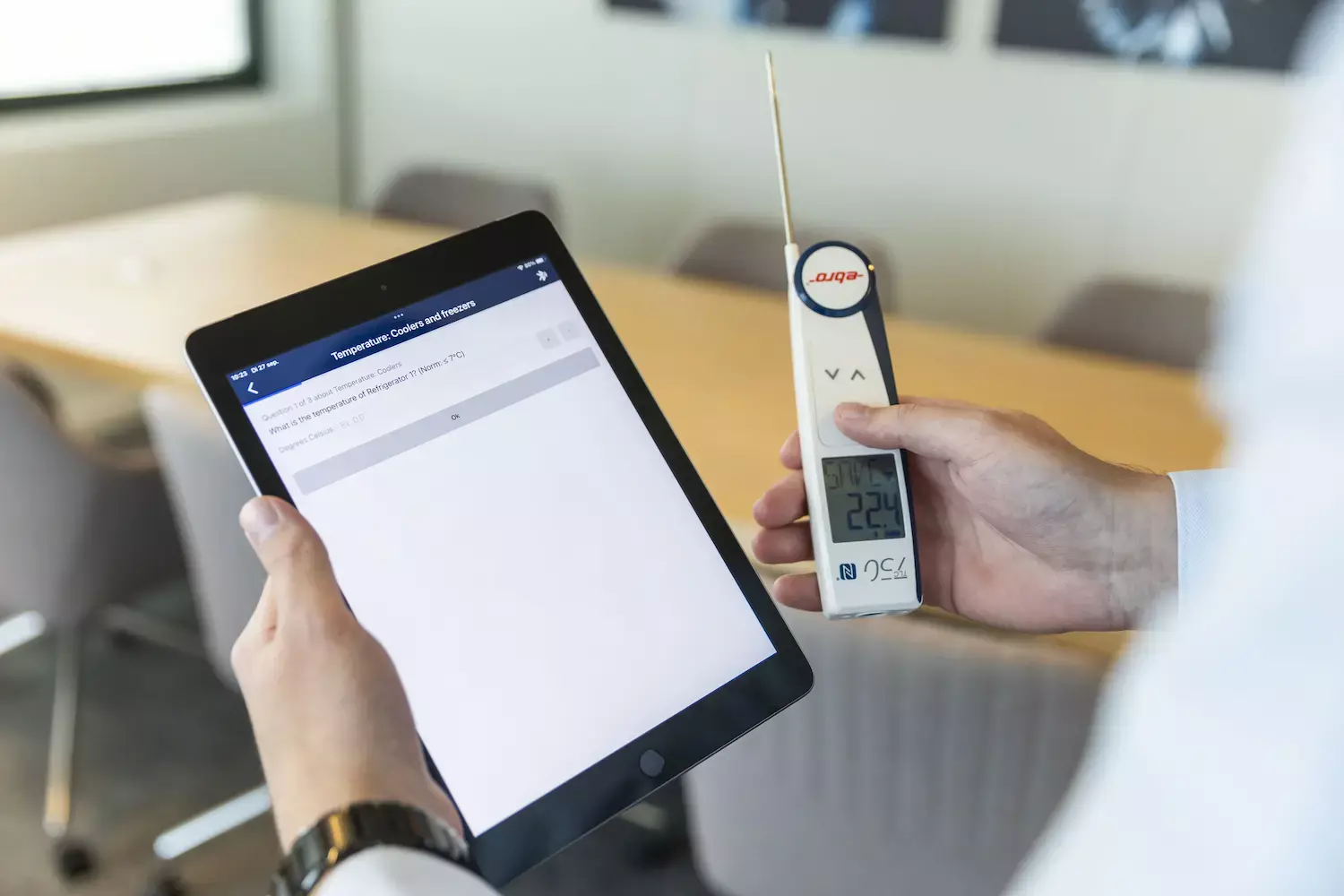
It makes compliance easier by building standard steps into daily work and capturing proof automatically. Instead of hoping that checks happen, software schedules them, assigns them, and escalates them when they are missed.
It also centralizes records, which shortens audit preparation time. When evidence is organized by program, line, lot, and date, teams spend less time searching and more time improving.
What features matter most for food safety standards compliance?
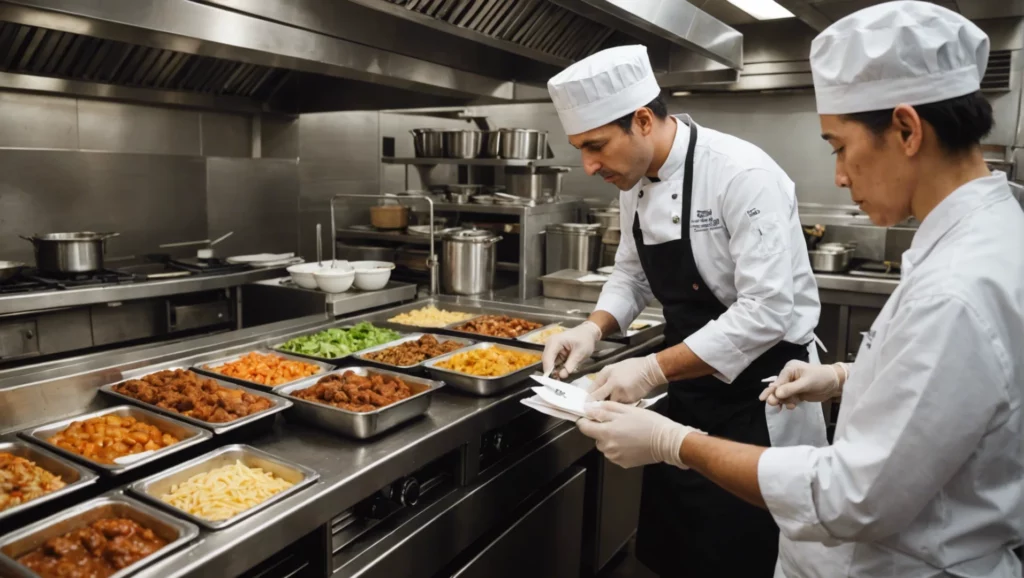
The core features are simple: document control, task and audit scheduling, CAPA management, training management, and traceability tools. Without these, the platform often becomes a digital filing cabinet.
Strong systems also include versioning, approvals, e-signatures where appropriate, permissions, and dashboards that show risk and overdue items. The best tools reduce manual rework and make exceptions visible fast.
How can software support HACCP and preventive controls?
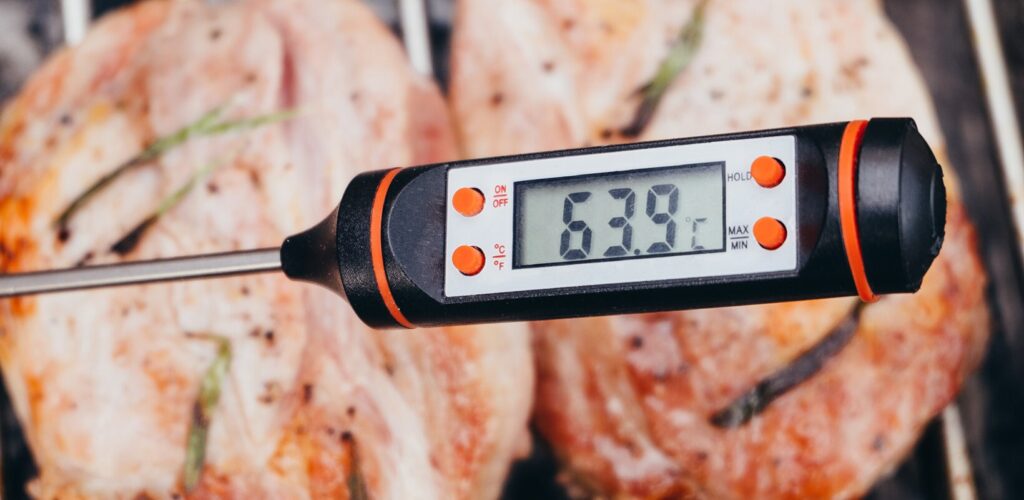
It supports HACCP by mapping hazards to controls, linking each control to monitoring steps, and storing the evidence in one place. They can set critical limits, define frequencies, and require sign-off and verification.
For preventive controls programs, software helps tie together supplier controls, sanitation controls, allergen controls, and process controls. When deviations happen, it can force documentation of disposition, root cause, and follow-up verification.
How does software help with audits and inspections?
It reduces audit stress by making evidence retrieval predictable. Instead of assembling binders, they can filter records by date, product, line, or prerequisite program and export a clean packet.
During inspections, it also helps maintain consistency in responses. Standardized forms, controlled documents, and complete CAPA histories reduce “unknowns” and show that the site operates a managed system.
How can software improve traceability and recall readiness?
It improves traceability by linking inbound lots to production batches and finished goods, then tying those to shipping records. When designed properly, a mock recall becomes a test of speed, not a scavenger hunt.
Recall readiness also depends on clean master data and disciplined receiving and production practices. Software cannot fix poor inputs, but it can enforce required fields, validations, and workflow steps that prevent missing links.
What role does software play in supplier and COA management?
It helps track supplier approvals, risk ratings, and performance trends, then ties them to materials and products. They can store COAs, verify specs, flag missing documents, and trigger sampling plans based on risk.
This matters because many nonconformances begin upstream. When supplier data is current and visible, teams can justify decisions and respond faster when ingredient risk changes.
How should they implement compliance software without disrupting operations?
They should start with the highest-risk workflows and the most painful audit areas, then scale. A phased rollout reduces resistance and avoids a “big bang” that overwhelms the floor.
They also need clear ownership: who approves documents, who closes CAPAs, who maintains master data, and who trains new users. Implementation succeeds when the system matches how people actually work, not how policies are written.
What data and reporting do auditors and managers care about?
Auditors care about completeness, timeliness, and effectiveness. They want to see that monitoring happened, deviations were handled, and verification proves the system is working.
Managers care about trends and leading indicators: recurring deviations, repeat allergens issues, missed checks, and supplier failures. Good reporting highlights what is drifting before it becomes a finding or a customer complaint.
How can they choose the right software for their regulatory environment?
They should choose based on fit, evidence strength, and scalability. The right tool supports their scheme requirements, produces audit-ready records, and works across multiple sites without losing control.
They should also test usability on the floor, confirm integration options, and review security and backup practices. A strong demo shows how a deviation becomes a CAPA, how it is verified, and how the evidence is retrieved in seconds.
What does “good compliance” look like after software is in place?
It looks boring in the best way. Checks are completed on time, deviations are logged without fear, and corrective actions close with proof, not promises.
When regulators or customers ask questions, teams can answer with records, trends, and clear accountability. Software does not replace food safety culture, but it makes the culture measurable and defensible.
FAQs (Frequently Asked Questions)
What do food safety standards and regulators expect from compliance programs?
Food safety standards and regulators expect documented control of hazards, proof that controls work effectively, and evidence that issues are identified and resolved. Whether following HACCP principles, FSMA requirements, or GFSI schemes like BRCGS, SQF, or FSSC 22000, auditors look for current procedures, trained personnel, complete records, verified monitoring, effective corrective actions, and reliable traceability under time pressure.
Where do most food safety compliance programs typically fail?
Most compliance programs break down in the gaps between policy and practice. Common failures include skipped or backfilled paper logs, multiple untrusted spreadsheet versions, incomplete closure of corrective actions, inconsistent investigation of deviations, and training records not aligned with job roles. Often the system exists but evidence is scattered and disorganized.
How does software improve the maintenance of food safety compliance?
Software enhances compliance by embedding standard steps into daily workflows and capturing proof automatically. It schedules checks, assigns tasks, escalates missed actions, centralizes records by program, line, lot, and date—thereby reducing audit preparation time and enabling teams to spend more time on continuous improvement rather than searching for evidence.
What core features should a food safety compliance software include?
Essential features include document control, task and audit scheduling, CAPA (Corrective and Preventive Actions) management, training management, and traceability tools. Advanced systems also provide versioning, approvals, e-signatures where appropriate, user permissions, and dashboards highlighting risks and overdue items to reduce manual rework and quickly surface exceptions.
How can software support HACCP principles and preventive controls in food safety?
Software supports HACCP by mapping hazards to controls linked with monitoring steps while storing all evidence centrally. It allows setting critical limits, defining monitoring frequencies, requiring sign-offs and verifications. For preventive controls programs, it integrates supplier controls, sanitation controls, allergen controls, and process controls. When deviations occur, it mandates documentation of disposition decisions, root cause analysis, and follow-up verification.
In what ways does software facilitate audits and inspections in food safety compliance?
Software reduces audit stress by making evidence retrieval predictable through filtering records by date, product line or prerequisite program to generate clean export packets. During inspections it ensures consistent responses via standardized forms and controlled documents while maintaining complete CAPA histories—demonstrating that the site operates a managed system with minimized unknowns.
Click here for about: Choosing HACCP Software Australia: What to Look For