
If your website feels “stuck”—floating somewhere between pages three and nowhere—you’re not alone. Millions of business owners, designers, remodelers, and homeowners struggle with the same frustration: Why isn’t my website showing up? Why are my competitors outranking me? And what real SEO strategies actually work today?
Here’s the truth: ranking on page one isn’t about luck—it’s about layout, structure, patterns, cohesion, relevance, and design.
Much like choosing the perfect subway tile layouts or deciding on the ideal tile patterns for a kitchen or bathroom, SEO success is all about strategic arrangement.
A great SEO agency doesn’t just “do SEO.”
It designs your website’s authority.
In this playbook, you’ll discover the real, modern, 2025-ready SEO strategies that actually move your website to page one—explained through visual, interior-inspired examples that make optimisation easy to understand and apply.
Why SEO Strategies Matter More Than Ever in 2025
Search engines—and now AI engines—are smarter than ever.
Ranking requires more than keywords. It requires authority, structure, clarity, and consistent topical depth.
Top agencies today use strategies focused on:
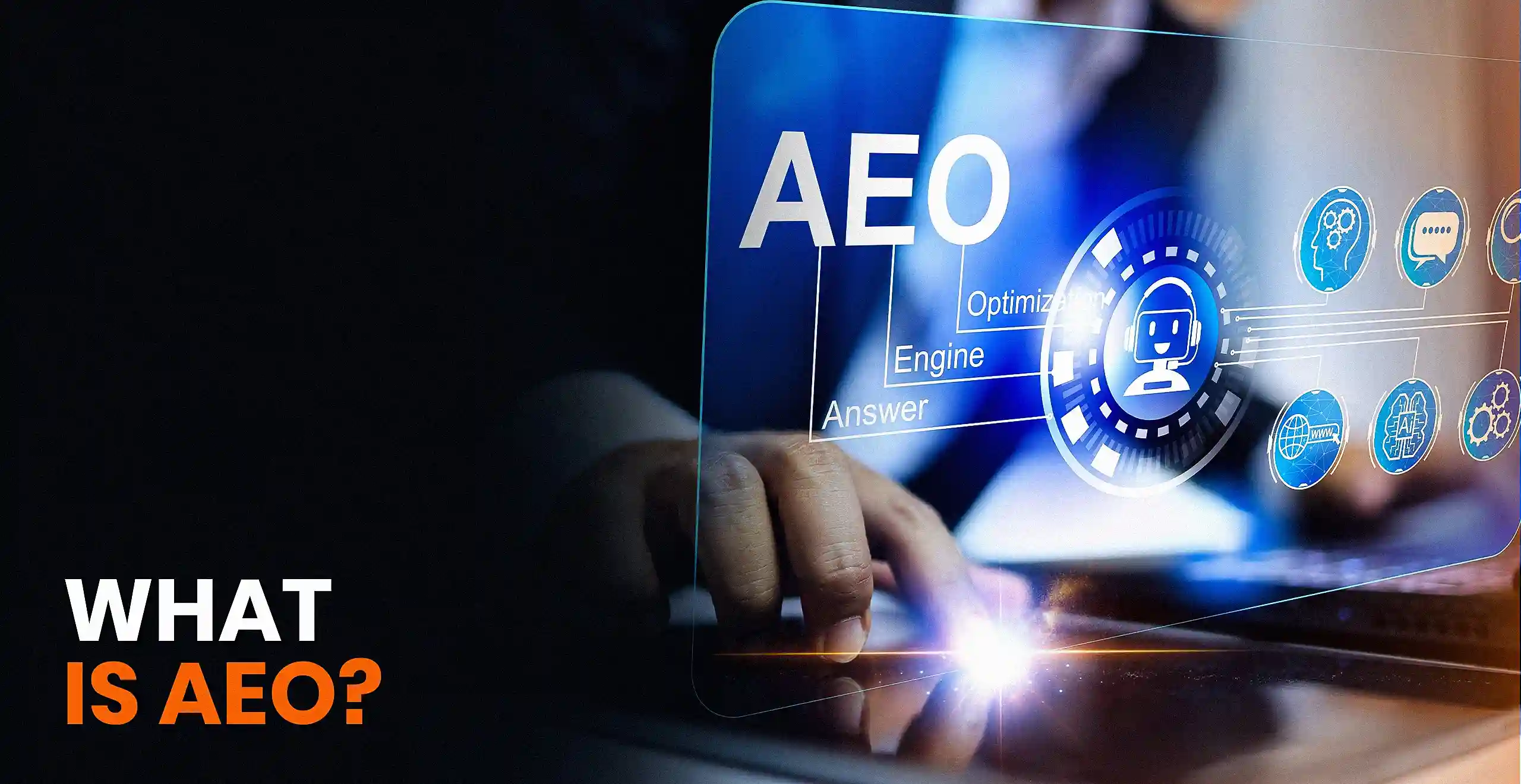
- AEO (Answer Engine Optimization)
- Topic Clustering
- High-Quality, Long-Form Content
- Brand Experience Signals
- User Intent Matching
- Structured Data & Semantic Search
- Visual + Textual Relevance
- Conversion-Centric Page Architecture
Think of SEO now as designing a home interior that Google instantly understands: clean layouts, intentional patterns, cohesive color choices, and perfect grout lines tying everything together.
Let’s dive into the playbook.
H2: Strategy #1 — Build a Strong Website Layout (Your Foundation)
Just like designing a room, SEO begins with layout.
Without structure, nothing looks right—and nothing ranks right.
H3: Subway Tile Layouts = Your Website Structure
Successful subway tile layouts feel effortless because they’re carefully planned—just like content strategy.
A top SEO agency:
- Builds a pillar-cluster content architecture
- Creates category and subcategory relationships
- Ensures internal linking flows seamlessly
- Organizes topics by intent and authority
- Designs a “crawl path” that search engines love
Your website becomes clean, readable, and algorithm-friendly—just like a perfectly aligned subway tile wall.
H2: Strategy #2 — Create Visual Consistency (Your Brand Color Palette)
Colors influence emotion and usability.
So does branding.
H3: Tile Color Trends = Modern SEO Branding Principles
Tile color trends shift yearly—and so does the digital landscape.
In 2025, branding consistency across search platforms is a ranking signal.
SEO agencies optimize:
- Tone of voice
- Visual color palette
- Typography and spacing
- Messaging clarity
- Keyword-voice alignment
- Brand schema markup
Your site becomes recognizable, credible, and professionally coherent—just like well-coordinated kitchen or bathroom tiles.
H2: Strategy #3 — Perfect On-Page Alignment (Your Grout Lines)
Your grout choices can make tiles look bold, seamless, modern, or dated.
In SEO, on-page optimization is the “grout” that binds everything together.
H3: Grout Ideas = On-Page SEO Details That Matter
These include:
- Meta titles & descriptions
- Header hierarchy
- Keyword placement
- Semantic variations
- Image alt texts
- Schema markup
- Internal linking anchors
- UX spacing & readability
Google rewards sites where everything aligns neatly—exactly like precision grout lines that bring tile patterns to life.
H2: Strategy #4 — Establish Authority Patterns (Your Tile Patterns)
Authority is built through repetition, structure, and thematic patterns—just like tile patterns in a room.
H3: Tile Patterns = Your Topical Authority Strategy
Examples of SEO authority patterns include:
- Publishing consistent long-form guides
- Covering every subtopic in your niche
- Creating helpful how-to tutorials
- Using expert-style examples
- Adding original insights and data
- Aligning content with user intent
When strategy is consistent, Google sees your website as the clear expert—much like how a bold herringbone pattern becomes a room’s defining feature.
H2: Strategy #5 — Style Your Content for Human Emotion (The Designer Touch)
SEO isn’t just technical—it’s emotional.
Designers know this. Remodelers know this.
Search engines know this.
H3: Styling Tips = The Human-Experience Layer of SEO
A great agency enhances:
- Storytelling and tone
- Visual hierarchy
- Flow and pacing
- Scannable, conversational paragraphs
- Strong visual metaphors
- User-focused problem solving
In home design, styling turns a room into a masterpiece.
In SEO, styling turns information into influence.
H2: Strategy #6 — Optimize High-Impact Areas (Your Kitchens & Bathrooms)
Kitchens and bathrooms are the most valuable rooms in any home.
Your website has “high-ROI rooms” too.
H3: Kitchen Tiles = Your Sales Pages & Landing Pages
These pages must convert, not just rank.
Agencies optimize sales pages with:
- Clear, emotional headlines
- Customer intent mapping
- Visual-enhanced persuasion
- FAQ blocks
- Authority signals (reviews, trust badges)
- Conversion-focused layouts
This is where design meets strategy—and revenue follows.
H3: Bathroom Tiles = Your Educational Content & Resource Pages
Bathrooms are functional, clean, and essential.
Your educational content should be the same.
Agencies enhance your authority content by:
- Writing deep, well-researched guides
- Building topic clusters
- Answering long-tail questions
- Adding visuals, diagrams, examples
- Optimizing for AI search engines
Clean design = clean authority = clean rankings.
H2: Strategy #7 — Use 2025 SEO Trends to Stay Ahead
SEO evolves like interior trends—fast, and without waiting for anyone.
H3: The Most Important 2025 SEO & Design Trends
- AEO (Answer Engine Optimization): essential for AI platforms
- Zero-click search survival strategies
- Semantic search dominance
- Visual+text hybrid content for multimodal AI
- User-first ranking signals
- Hyper-topical clustering
- Brand entity optimization
- Voice-search formatted content
Design trends shift, search trends shift.
But strategy remains the foundation.
H2: What Happens When These Strategies Come Together
When all elements—layout, patterns, grout, styling, rooms, and trends—blend into one cohesive strategy, your website transforms.
- Rankings improve
- Traffic compounds
- Engagement grows
- AI engines cite you
- Competitors fall behind
- Your brand becomes memorable
- Google recognizes you as an authority
You move from “invisible” to “page one contender” to industry leader.
Just like a beautifully remodeled home, your website becomes an asset that grows in value year after year.
FAQs (50–60 words each)
1. What SEO strategies actually move a website to page one?
High-impact strategies include topical authority clustering, AEO optimization, internal linking mapping, long-form content, entity strengthening, brand consistency, and user intent matching. These are the core building blocks that top agencies use to help websites rank sustainably and stay ahead of competitor content.
2. Why compare SEO strategies to subway tile layouts and tile patterns?
Because visual analogies make SEO easier to understand. Subway tile layouts represent structure, grout represents alignment, tile patterns represent authority, and color palettes reflect branding. These metaphors help business owners visualize SEO the way designers visualize a room—strategically, cohesively, and creatively.
3. How long does it take for SEO strategies to work?
Most websites begin seeing movement within 60–90 days, but strong authority growth typically appears between 4–8 months. The timeline depends on competitiveness, content depth, starting authority, and technical health. SEO is like renovation—strategic, layered, and transformative over time.
4. What’s the most overlooked SEO strategy in 2025?
AEO (Answer Engine Optimization). As AI platforms like ChatGPT, Perplexity, Gemini, and Search AI dominate search behavior, websites must be structured so AI systems can extract, trust, and cite information. Without AEO, brands lose visibility—even if traditional SEO is strong.
5. What pages should I optimize first for the fastest ranking results?
Start with high-impact pages: your sales pages, top blog posts, location pages, and your homepage. These are your “kitchen tiles”—constantly viewed and essential for conversion. Then move to supporting blog clusters to build topical authority and deepen your SEO foundation.
6. Does design really influence SEO?
Absolutely. Design impacts dwell time, bounce rate, experience signals, readability, and emotional trust—all ranking factors. A well-designed website communicates expertise, just like a well-designed room communicates style and care. SEO and design are now inseparable.