




Introduction
In today’s competitive online market, SEO (Search Engine Optimization) is more crucial than ever for businesses to succeed. Understanding how SEO search engines operate and how to optimize your website is fundamental to gaining higher visibility and attracting targeted traffic. One of the most significant aspects of SEO is external link building, which helps improve your site’s authority and ranking. This guide will explore the relationship between SEO search engines and external link building, explaining how you can use these strategies to enhance your website’s performance in Google search results.
What is SEO Search Engine?
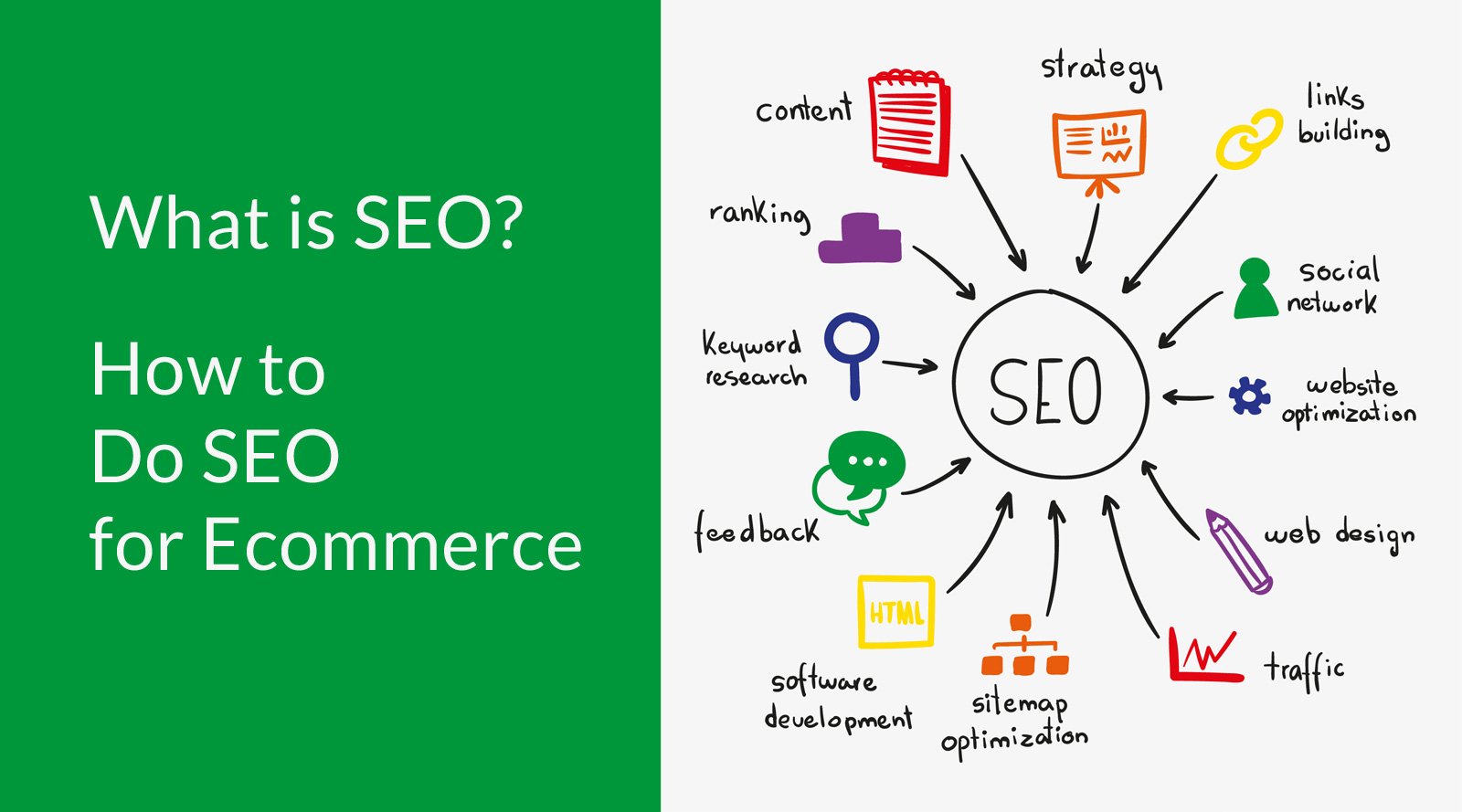
SEO search engines are tools that index, crawl, and rank websites based on various factors such as content quality, keywords, user experience, and backlinks. These engines, like Google, Bing, and Yahoo, provide a search result based on a query entered by users. For a website to rank well, it needs to meet specific SEO criteria, including:
- On-page SEO (e.g., optimizing headings, content, meta tags)
- Off-page SEO (e.g., link building)
- Technical SEO (e.g., site speed, mobile optimization)
Google’s algorithm, which is the most widely used search engine, evaluates websites for relevance, authority, and user experience to determine the most valuable results.
The Importance of External Link Building
External link building refers to the process of acquiring backlinks (links from other websites to your own). These links act as “votes of confidence” from other websites, telling search engines that your content is authoritative and valuable. High-quality backlinks are one of the most important ranking factors for SEO search engines like Google.
How Do External Links Impact SEO?
External links significantly affect SEO in several ways:
- Increased Authority: When authoritative sites link to your content, it signals to search engines that your website is trustworthy and valuable.
- Improved Rankings: Google considers backlinks as one of the top ranking factors. The more high-quality external links pointing to your site, the higher your pages can rank in search results.
- Traffic Referral: Backlinks from popular websites can drive direct traffic to your site, increasing your chances of converting visitors into customers.
- Better Crawling: External links help search engines discover new pages on your site by crawling these backlinks.
Benefits of External Link Building
- Improved Organic Search Rankings
- Backlinks are one of Google’s top-ranking signals. Websites with more high-quality external links tend to rank higher on SERPs (Search Engine Results Pages).
- Increased Organic Traffic
- Higher rankings on search engines mean more visibility. As a result, more users will discover your website and visit it through organic search.
- Enhanced Website Authority
- External links from authoritative domains increase your own site’s domain authority, which helps improve its credibility in the eyes of both search engines and users.
- Better Indexing and Crawling
- Backlinks allow Google to crawl new pages faster and index them efficiently, improving the overall SEO of your site.
How to Build External Links for SEO
Building quality backlinks requires a strategic approach. Here’s a step-by-step framework to help you acquire high-quality external links:
Step 1: Create High-Quality Content
- Content that is informative, useful, and engaging naturally attracts backlinks. High-quality blog posts, case studies, whitepapers, and research reports are great content types to focus on.
Step 2: Outreach and Relationship Building
- Contact bloggers, influencers, and industry leaders to request backlinks to your content. Personalized outreach emails have a higher chance of success.
Step 3: Guest Blogging
- Contributing guest posts to other websites in your industry is an excellent way to build backlinks. Make sure your guest posts provide value and link back to relevant pages on your site.
Step 4: Broken Link Building
- Find broken links on websites in your niche and offer your content as a replacement. This not only helps the website owner fix the broken link but also earns you a valuable backlink.
Step 5: Social Media and Forums
- Share your content on social media platforms and industry-specific forums. Engaging with the community can lead to natural backlinks from other content creators.
Step 6: Leverage Existing Relationships
- If you have relationships with other businesses or influencers, ask them to link to your site when it’s relevant. This could be through interviews, collaborations, or partnerships.
Best Practices for External Link Building

To maximize the effectiveness of your external link building strategy, follow these best practices:
- Focus on Quality Over Quantity: One high-quality backlink from an authoritative website is more valuable than several low-quality links.
- Diversify Your Backlinks: Aim for backlinks from various types of websites (blogs, news sites, forums, etc.) to create a natural link profile.
- Avoid Spammy Links: Do not engage in link schemes or purchase links, as this can lead to penalties from Google.
- Use Descriptive Anchor Text: Use relevant and descriptive anchor text for your backlinks to help search engines understand the context of your links.
Common Mistakes in Link Building and How to Avoid Them
- Over-Optimizing Anchor Text: Using the same anchor text repeatedly for backlinks can trigger spam filters. Mix up your anchor text with natural variations.
- Ignoring Nofollow Links: While nofollow links don’t pass SEO value, they still contribute to a diverse backlink profile and can generate referral traffic.
- Not Monitoring Your Backlink Profile: Regularly check your backlink profile to ensure you’re not accumulating toxic links that could hurt your rankings.
- Chasing Low-Quality Links: Links from low-authority or spammy sites can hurt your site’s reputation. Focus on acquiring links from high-quality, relevant sites.
Real-World Examples of Successful Link Building
- Case Study: An E-commerce Website
- A Sydney-based e-commerce company created a series of informative blog posts about their niche products. Through targeted outreach to industry blogs and influencers, they managed to secure several high-quality backlinks. This led to a significant increase in organic traffic and higher sales.
- Case Study: A Local Service Provider
- A local plumbing company in Sydney built backlinks through local business directories and by contributing guest posts to local news websites. As a result, their website’s ranking for “Plumber in Sydney” improved, bringing in more local customers.
FAQ Section
What is external link building in SEO?
External link building is the process of acquiring backlinks from other websites to your own. These links help improve your website’s authority, ranking, and visibility in search engines.
How does external link building improve SEO?
External link building signals to search engines that your website is authoritative and trustworthy. The more high-quality backlinks you have, the higher your site will rank on search engine results pages.
Can I buy backlinks for SEO?
No, buying backlinks is against Google’s guidelines. It can result in penalties and negatively affect your website’s ranking. Focus on earning natural, high-quality backlinks.
How many backlinks do I need to rank higher on Google?
There is no specific number of backlinks required to rank higher. The quality of the backlinks and the relevance of the websites linking to you are more important than the quantity.
Is link building a one-time process?
No, link building is an ongoing process. Continuously acquiring high-quality backlinks helps maintain and improve your rankings over time.
Conclusion
SEO search engines play a crucial role in determining the success of your website, and external link building is a powerful way to improve your rankings and drive organic traffic. By following best practices, avoiding common mistakes, and continuously building high-quality backlinks, you can improve your site’s authority and performance in search engines.
Start implementing these strategies today, and watch your website climb the ranks. For further insights, consider working with a professional SEO agency or utilizing advanced SEO tools to enhance your link-building efforts.